Posted on 06/10/2026
Wedding Flowers Dartmouth Park Hill Venues: A Practical Guide to Beautiful Ceremony and Reception Styling
If you are planning Wedding Flowers Dartmouth Park Hill Venues, you are probably juggling the fun part and the stressful part at the same time. The fun part is imagining the bouquets, buttonholes, aisle flowers, and table pieces. The stressful part is making sure everything works in the venue, the timing, the budget, and the weather. That mix is very normal, by the way. Truth be told, flowers look effortless on the day only because a lot of careful planning has happened beforehand.
This guide breaks down how to choose, plan, and style wedding flowers for Dartmouth Park Hill venues in a way that feels elegant without becoming overcomplicated. You will find practical advice on venue fit, seasonal choices, setup logistics, costs, mistakes to avoid, and how to get the most from your florist. If you want a wedding that feels cohesive, calm, and beautifully finished, you are in the right place.
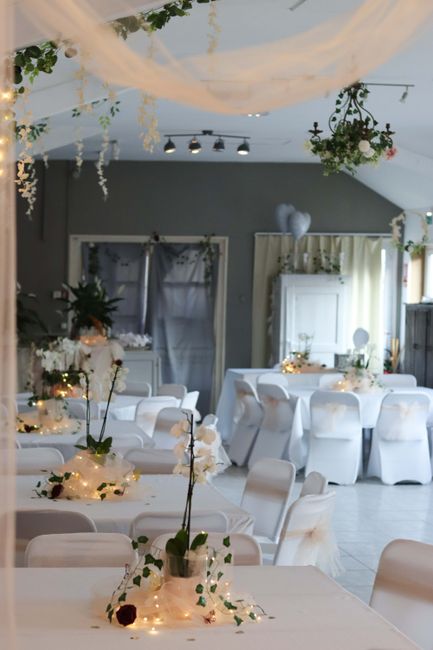
Table of Contents
- Why Wedding Flowers Dartmouth Park Hill Venues Matters
- How Wedding Flowers Dartmouth Park Hill Venues Works
- Key Benefits and Practical Advantages
- Who This Is For and When It Makes Sense
- Step-by-Step Guidance
- Expert Tips for Better Results
- Common Mistakes to Avoid
- Tools, Resources and Recommendations
- Law, Compliance, Standards, or Best Practice
- Options, Methods, or Comparison Table
- Case Study or Real-World Example
- Practical Checklist
- Conclusion
- Frequently Asked Questions
Why Wedding Flowers Dartmouth Park Hill Venues Matters
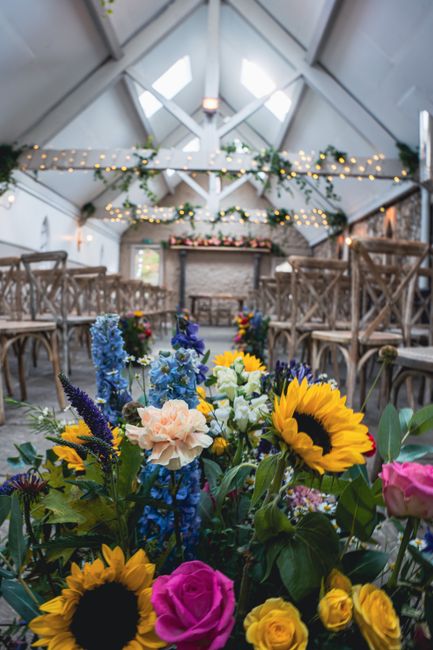
Wedding flowers do more than decorate a room. They shape the mood, tie the venue to your colour palette, and help the whole day feel intentional rather than pieced together at the last minute. In Dartmouth Park Hill venues, that matters even more because local spaces can vary a lot. Some are bright and airy, some are intimate and traditional, and some need a softer floral approach so the room does not feel crowded.
Flowers also affect how guests experience the event. A low arrangement on a dining table keeps conversation flowing. A carefully placed entrance piece makes the first impression feel warm. A bouquet that photographs well can make a dress or suit feel finished. It is a small thing, but not really small at all.
When people search for wedding flowers in Dartmouth Park Hill venues, they are usually trying to solve a few real problems at once: what works in the space, what suits the season, what can be delivered on time, and what will look beautiful in photos without eating the whole budget. That is exactly the balance a good floral plan should address.
Expert summary: The best wedding flowers for Dartmouth Park Hill venues are not always the biggest or the most expensive. They are the ones that suit the room, hold up well on the day, and support the feel of the celebration from first look to final dance.
If you already know you want a wedding-specific floral approach, it helps to start with a dedicated selection such as wedding flowers rather than treating everything as a generic bouquet order. That small decision usually makes the planning easier.
How Wedding Flowers Dartmouth Park Hill Venues Works
At a simple level, the process is: decide the style, choose the flowers, confirm venue logistics, and arrange delivery or collection. In practice, there are more moving parts. The florist needs to know where the ceremony is happening, where guests will sit, whether the venue has stairs or a strict setup window, and whether the flowers need to last from midday until late evening.
The venue itself shapes the design. A high-ceilinged room may suit tall arrangements or dramatic hanging pieces. A smaller hall, townhouse, or function space often works better with compact designs, mixed textures, and some breathing room on the tables. If there is natural daylight in the ceremony area, flowers with softer colours may glow beautifully. If the venue is dimmer, stronger colour contrast can help the flowers stand out in photos.
It also helps to think in layers:
- Handheld flowers such as bridal bouquets, bridesmaid bouquets, and buttonholes.
- Ceremony flowers such as aisle pieces, registrar table flowers, or altar arrangements.
- Reception flowers such as table centres, top-table arrangements, and welcome arrangements.
- Finishing details such as corsages, flower petals, and matching gifts.
A well-planned wedding flower design feels connected across those layers. The bouquet should not look like it belongs to a different wedding from the table flowers. That sounds obvious, but honestly, it is a common mismatch when pieces are ordered separately and too late in the process.
For many couples, browsing wedding-ready products like bridal bouquets, bridesmaid bouquets, buttonholes, and table arrangements is a practical way to narrow down the look before speaking in detail about venue specifics.
Key Benefits and Practical Advantages
The biggest benefit of planning wedding flowers properly is not just beauty. It is control. You get a clearer sense of how the day will feel, what will arrive where, and what needs to be set up when. That reduces last-minute panic, which is worth a lot on a wedding morning.
Here are the practical advantages couples notice most:
- Better visual flow: your ceremony, photographs, and reception look like one event, not several disconnected parts.
- Stronger venue fit: flowers can soften a plain room or complement a more characterful one without fighting it.
- More efficient spending: when you plan with purpose, you spend on pieces that guests will actually see.
- Cleaner logistics: knowing what is delivered, what is collected, and what stays in place saves time.
- More useful styling: flowers can hide a less attractive table edge, brighten a doorway, or define a focal point.
There is also a more emotional benefit. Flowers help people feel the day. A bouquet in the hand, the scent in the room, the little pause when the couple first walk in - these details stick. Not because they are grand, but because they are sensory and human.
For couples who want a polished finish without turning the wedding into a design project, curated collections can be especially helpful. A themed option such as a coordinated wedding collection reduces decision fatigue while still leaving room for personality.
Who This Is For and When It Makes Sense
This kind of planning makes sense for a wide range of couples. It suits full-scale weddings, smaller civil ceremonies, weekday registry-style celebrations, and relaxed receptions where you still want the room to feel considered. It also suits couples who care about photos. Flowers show up in almost every meaningful shot, whether that is the bouquet close-up or the tables at sunset.
It is especially useful if:
- your venue has a specific layout or limited setup time;
- you want a colour palette that needs careful coordination;
- you are marrying in a season where certain blooms may be less predictable;
- you want ceremony and reception flowers to feel consistent;
- you are balancing style with budget and need to prioritise intelligently.
If you are planning a small wedding, you may not need large installations. A few well-chosen pieces can do a lot. A bouquet, a couple of statement arrangements, and matching table flowers can be enough. For larger celebrations, the structure becomes more important, because people move through different spaces and the flowers need to hold their own from room to room.
And if you are the sort of person who says, "I just want it to look lovely, not overdone," then yes, this is absolutely for you. That is a very sensible brief, actually.
Step-by-Step Guidance
Here is a straightforward way to plan wedding flowers for Dartmouth Park Hill venues without losing the plot halfway through.
- Start with the venue details. Ask for the ceremony time, room dimensions if available, access rules, and whether there are restrictions on candles, hanging decor, or floor arrangements.
- Choose a style direction. Decide whether you want classic, romantic, modern, natural, colourful, or minimal styling. This gives the florist a clear starting point.
- Set the colour story. Pick two or three core colours, then decide whether you want the flowers to blend quietly or provide contrast.
- List the essential items. Most weddings need the bridal bouquet, bridesmaid bouquets, buttonholes, and at least one ceremony or reception focal point.
- Check seasonal availability. Some flowers are easier to source at certain times of year, and that can affect both appearance and value.
- Match flowers to the room. Big arrangements work beautifully in large spaces, but in smaller venues they can feel overwhelming. Scale matters.
- Confirm delivery and setup timing. This is one of those boring steps that saves the day. Make sure flowers arrive when the venue is ready to receive them.
- Review care instructions. Keep bouquets in water where appropriate, store arrangements in a cool place, and avoid direct heat before the event.
One useful trick is to create a simple visual reference with the dress, suit, table linen, and venue photo side by side. You do not need anything fancy. A phone folder works fine. It helps the florist see the whole picture rather than just an isolated bouquet idea.
If you want a more streamlined order, it can also help to build around a single hero design, then add matching pieces. For example, a bridal bouquet can be paired with the matching wedding range and supported by buttonholes and table pieces rather than choosing every item separately from scratch.
Expert Tips for Better Results
After enough weddings, a few practical truths become obvious. First: good flowers do not need to be complicated. A clean, well-balanced arrangement with the right flowers often looks more luxurious than something overloaded with too many varieties. Second: the venue matters more than people expect. A style that looks gorgeous online can look too busy in a stone room with dark walls, or too sparse in a wide, bright hall.
Here are some expert-level pointers that genuinely help:
- Think in photos, not just in person. A bouquet seen at arm's length is one thing; a bouquet seen against a white dress in daylight is another.
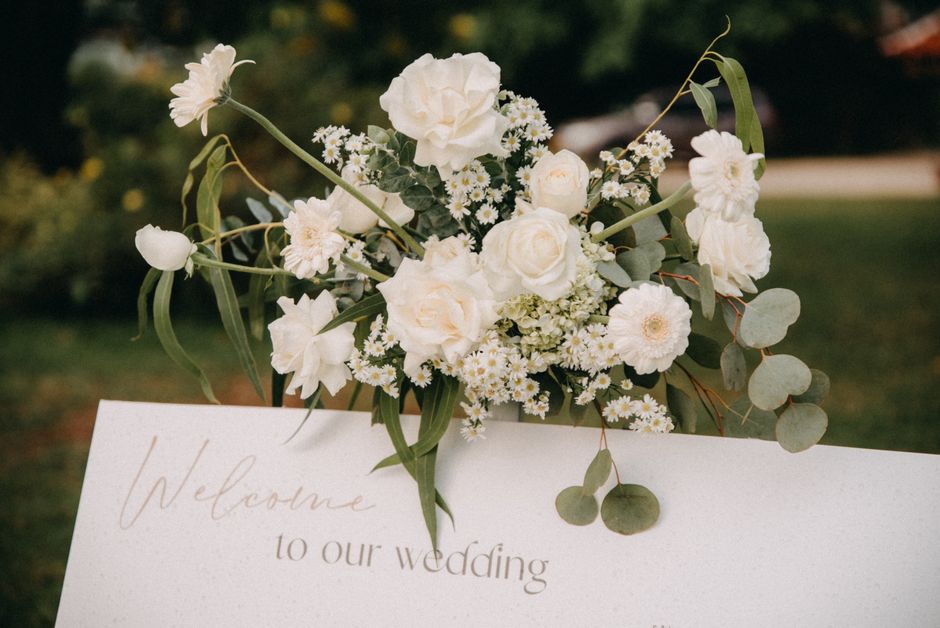
- Use texture, not only colour. Roses, lisianthus, hydrangeas, lilies, and mixed greens can create depth even with a restrained palette.
- Keep the main focal point clear. If everything is loud, nothing stands out. Let one or two pieces do the heavy lifting.
- Plan for temperature. Flowers can react to heat and direct sun, especially during transport or outdoor photographs.
- Ask about substitutions in advance. That way, if a particular bloom is unavailable, you are not making hurried choices on the morning.
One little thing couples often overlook: buttonholes and corsages should coordinate, but they do not need to copy the bouquet exactly. A smaller, sharper version of the palette usually looks more elegant on clothing. Little detail, big difference.
If sustainability matters to you, ask how the flowers are sourced, how waste is managed, and whether reusable mechanics are possible. Many couples now prefer a design that feels generous but not excessive. Sensible, really.
Common Mistakes to Avoid
Most flower problems are preventable. They usually happen because the couple starts with a visual idea and forgets to connect it to the practical realities of the venue and the day. That is understandable. Weddings are busy. Still, a few avoidable mistakes come up again and again.
- Ordering too late: the best choices often depend on availability and setup planning. Leave room for proper preparation.
- Ignoring the room size: arrangements that look elegant in a photo may be too large or too small for the venue.
- Mixing too many styles: rustic, glamorous, modern, and vintage all at once can become visually noisy.
- Forgetting the delivery plan: someone needs to know who is taking receipt of the flowers and where they should go.
- Not budgeting for extras: ribbons, matching corsages, additional table pieces, and delivery can change the total more than expected.
- Overcomplicating the palette: three strong ideas are easier to manage than seven half-formed ones.
One slightly humorous but true observation: flowers are not mind readers. If the venue has a narrow access route, the florist needs to know. If the top table is tucked into a corner, that matters. If you want the bouquet to photograph against a particular backdrop, say so early. A florist can work wonders, but not telepathy. Not yet, anyway.
Tools, Resources and Recommendations
You do not need a giant planning system to get this right. A few simple tools are enough:
- A venue photo folder for ceremony and reception spaces.
- A colour reference showing dresses, suits, linens, and any decor already chosen.
- A wedding item list covering bouquets, buttonholes, ceremony flowers, and table arrangements.
- A delivery timeline noting when suppliers can access the venue and who is on site.
- A budget split showing what matters most: statement flowers, personal flowers, or table styling.
For product inspiration, browsing carefully selected wedding pieces can help refine the brief. You may find it useful to look at the I Cherish You wedding collection for a polished coordinated style, or explore a white wedding collection if you want something classic and clean.
If you want more flexibility, mixing individual wedding components can be a smart route. For example, pairing a bridal bouquet with matching bridesmaid bouquets and groom buttonholes gives you control without making the design feel fragmented. A florist can usually help you adapt the scale to suit the venue, which is handy when you are unsure whether you need statement pieces or something quieter.
For general care after collection or delivery, a simple flower care guide is worth following closely. It is the sort of thing people skim and then regret later. Keep stems cool, away from direct sunlight, and topped up with water when needed.
Law, Compliance, Standards, or Best Practice
Wedding flower planning is not heavily regulated in the way food service or structural venue work might be, but there are still good standards to follow. Venues in London commonly have their own setup rules, access times, fire-safety expectations, and restrictions on damage to walls, floors, or fittings. You should always check what the venue allows before arranging large installations or anything that might need fixing to surfaces.
If the ceremony or reception involves public-access areas, shared buildings, or licensed spaces, professional conduct matters. That means respecting delivery windows, keeping walkways clear, and making sure arrangements are stable and safe. Flowers should never block exits or create a trip risk. It sounds obvious, yet it is one of those practical details that can be missed when everybody is rushing.
Good practice also includes clear written confirmation of the order, the delivery point, the items included, and any agreed substitutions. That protects both the couple and the florist from misunderstandings. If the wedding is seasonal or highly specific in style, ask for guidance on bloom availability rather than assuming every flower will be possible year-round.
On the ethical and operational side, it is sensible to ask about sustainability, packaging, and waste handling. You do not need a perfect answer. You do need a clear one. A well-run florist should be able to explain the approach simply and honestly.
Options, Methods, or Comparison Table
There is no single right way to handle wedding flowers. The best method depends on budget, venue size, and how much styling you want the flowers to do. Here is a simple comparison.
| Approach | Best For | Strengths | Trade-Offs |
|---|---|---|---|
| Fully coordinated wedding collection | Couples who want a consistent, polished look | Easy to match, efficient planning, visually cohesive | Less room for unusual custom details |
| Individual wedding pieces | Couples who want flexibility or partial styling | Customisable, easier to prioritise spending | Requires more decision-making and coordination |
| Statement bouquet plus minimal venue flowers | Smaller weddings or tighter budgets | Strong impact without over-ordering | Less room-filling presence in larger venues |
| Venue-wide floral styling | Larger celebrations and photo-led weddings | Big visual effect, strong atmosphere | Higher cost and more setup complexity |
For many Dartmouth Park Hill weddings, a middle path works best: strong personal flowers, one or two focal arrangements, and thoughtfully placed table flowers. That gives the room presence without turning the whole event into a floral installation project. To be fair, that is usually the sweet spot.
If your priority is elegance on a practical budget, a curated bouquet combined with one of the more structured wedding collections can be a neat solution. It keeps the design coherent while leaving you room to focus on the rest of the day.
Case Study or Real-World Example
Imagine a couple planning a late-spring wedding at a Dartmouth Park Hill venue with a ceremony room and a reception space used back to back. They want the day to feel romantic, not formal-formal, and they have a clear dislike of anything too heavy or theatrical.
The florist starts with a soft palette: whites, blush pinks, and a little green for structure. The bridal bouquet is kept full but airy, with bridesmaid bouquets slightly smaller and buttonholes simplified so they read neatly on jackets. The ceremony room gets one focal arrangement near the front and two smaller pieces that can later move to the reception tables. That re-use is not flashy, but it is clever. It stretches the budget and keeps the style consistent.
The venue has only a short access window, so the delivery is timed carefully. The flowers arrive early, are checked in, and are placed in a cool area while the room is finishing its final reset. When the couple walk in, the flowers do not feel scattered or overdone. They feel like they belong there.
What worked especially well in this example was restraint. No one tried to use every flower available. No one layered in six different colours. Instead, the plan focused on proportion, timing, and repeatable design cues. That is often the difference between flowers that are merely nice and flowers that make the room feel complete.
Practical Checklist
Use this checklist to keep the planning grounded. It saves a surprising amount of back-and-forth.
- Confirm the wedding date, venue, and ceremony time.
- Ask about delivery access, parking, and setup windows.
- Decide your main colour palette.
- Choose the bouquet style and size.
- List the number of bridesmaid bouquets and buttonholes needed.
- Decide whether you want ceremony flowers, reception flowers, or both.
- Check what the venue already provides, such as stands, tables, or decor restrictions.
- Set a budget range before choosing add-ons.
- Request seasonal suggestions if you are open to alternatives.
- Confirm substitution preferences in case certain blooms are unavailable.
- Arrange who will receive the flowers on the day.
- Make a note of where each item should be placed.
- Review care instructions for bouquets and arrangements.
A small tip: print or save this list somewhere easy to find. Weddings have a way of making even the most organised person slightly forgetful. It happens.
Conclusion
Choosing Wedding Flowers Dartmouth Park Hill Venues is really about matching beauty with practicality. The best floral plan supports the venue, fits the season, respects the budget, and gives the day a sense of ease. When the flowers are right, everything else tends to feel more settled. The room looks ready. The photographs feel richer. The couple can breathe a bit easier.
If you keep one thing in mind, let it be this: start with the venue, then build the flowers around the space rather than forcing the space to fit the flowers. That single shift usually improves the whole result. And yes, it makes planning less chaotic too, which is no small win.
Get a free quote today and see how much you can save.
For a focused next step, review your venue details, decide the key pieces you need, and choose a floral style that feels natural to you. Beautiful wedding flowers do not have to be fussy. They just have to feel right.
Frequently Asked Questions
What flowers work best for wedding venues in Dartmouth Park Hill?
The best flowers depend on the venue size, light, and season, but roses, lisianthus, lilies, hydrangeas, and mixed seasonal blooms are common choices. A florist can help you choose varieties that suit the room rather than just looking good in isolation.
How far in advance should I book wedding flowers?
It is sensible to start planning as early as possible, especially if your wedding is in a busy season or you want a coordinated collection. Booking early gives you better access to options, time for refinements, and less pressure near the date.
Can wedding flowers be matched to my venue decor?
Yes. In fact, that is one of the biggest reasons to plan properly. Matching flowers to table linen, wall colour, lighting, and the venue's overall style helps the whole event feel cohesive rather than pieced together.
Should I choose a bouquet first or venue flowers first?
Usually the bouquet is a good starting point because it influences the colour palette and overall style. From there, you can build out buttonholes, bridesmaid flowers, and venue pieces that feel consistent.
Are wedding flowers more expensive if I want same-day delivery?
They can be, depending on the order, timing, and delivery requirements. Same-day service tends to be most useful for smaller or urgent orders, while wedding flowers usually benefit from pre-booked delivery and setup planning.
What if some of my preferred flowers are out of season?
That is normal and not a problem if you plan for it early. A good florist will suggest alternatives with a similar shape, colour, or texture so the design still feels like your original idea.
How many flowers do I need for a small wedding?
There is no fixed number. A small wedding may only need a bouquet, a few buttonholes, and one or two venue arrangements. The goal is not quantity; it is making the flowers visible where they matter most.
Can I use the same flowers for the ceremony and reception?
Yes, and it is often a smart way to make the budget work harder. Some arrangements can be moved after the ceremony to the reception area, which keeps the look consistent and avoids unnecessary duplication.
What should I tell the florist before ordering?
Share your venue, date, colour palette, dress style, preferred flowers, budget range, and any restrictions at the venue. The more practical detail you give, the easier it is to create something that actually works on the day.
Do I need wedding flowers if the venue is already decorative?
Not always in large quantities, but even a well-decorated venue usually benefits from a few tailored floral pieces. Personal flowers and a couple of focal arrangements can make the event feel more like yours.
How do I keep wedding flowers looking fresh on the day?
Keep them cool, out of direct sun, and in water where appropriate until they are needed. Follow the florist's care guidance closely, because handling and timing matter more than people think.
What is the simplest way to keep floral styling coordinated?
Choose one main palette, one or two feature flowers, and a consistent finish for ribbons or containers. Simplicity often looks more elegant than trying to include every idea at once.